Honda has upped its off-road profile as of late, equipping popular SUVs like the Passport and Pilot with new TrailSport trims, adding rugged, adventure-ready upgrades like all-terrain tires, skid plates, an off-road stability management system, and an off-road-tuned suspension with improved ground clearance. These models allow drivers to spend the day exploring new territory and tackling tough off-road conditions, but what happens when the sun goes down? Cargo-bed-based campers have long been a staple of the pickup segment, and fold-flat seating areas allow today’s SUV owners to catch forty winks after a long day of off-the-grid fun. Rooftop tents have also become an increasingly popular option, but Honda is now throwing its hat in the ring with a new towable camping trailer concept catering to today’s adventure-seeking drivers.
Bigger on the Inside
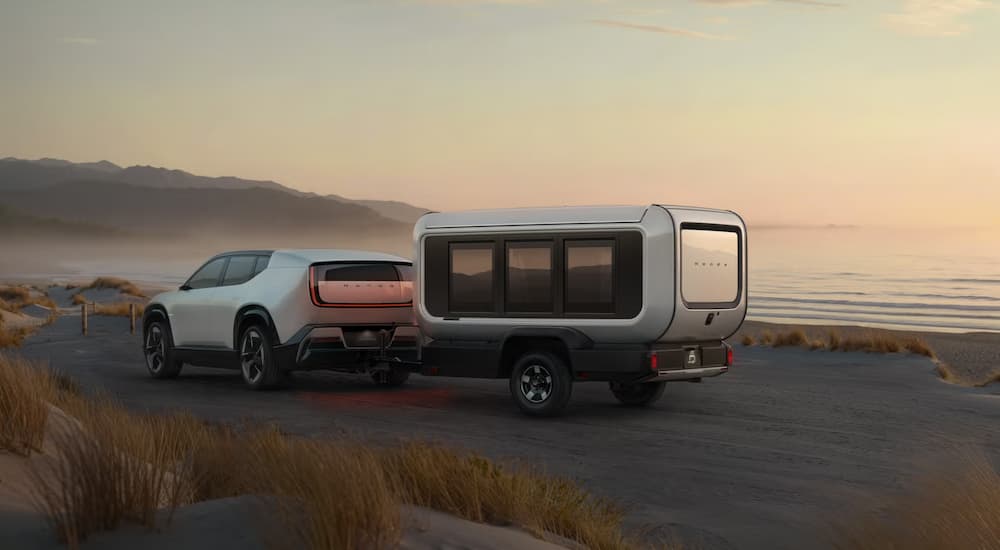
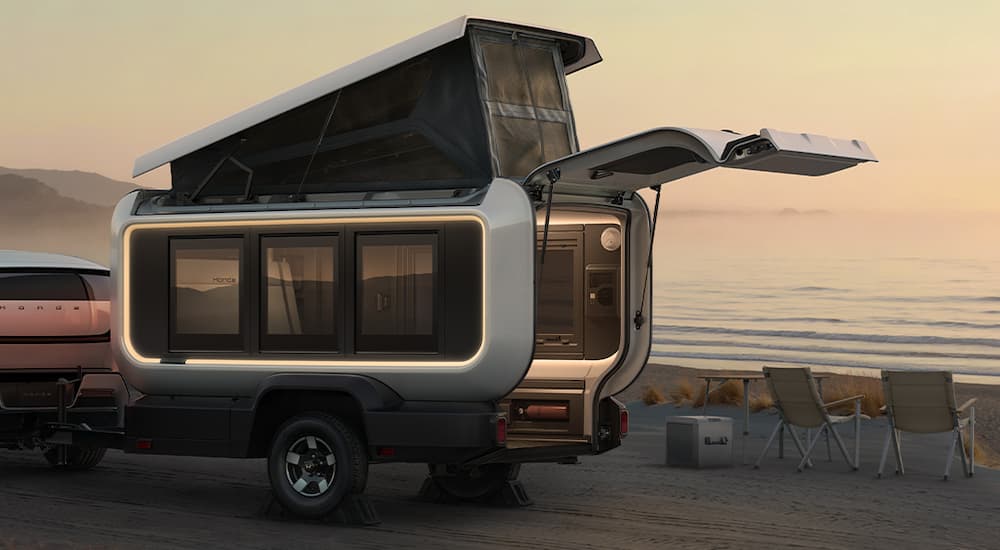
Although it’s still in the prototype stage, the Honda Base Station’s preliminary design certainly checks all of the boxes. The camper’s pop-up design won’t significantly obstruct the view or affect fuel economy when you hit the road, but it also provides seven feet of headspace when fully deployed. The camper is pretty spartan in its standard form, with only a heater, five windows, and sleeping space for two occupants on a fold-out queen-size futon. However, the rest of the layout depends entirely on the driver.
Honda has embraced a modular approach to the Base Station’s design, allowing buyers to spec the camper to their liking with optional add-ons that include a kitchen with an induction stove, shower, climate control system, awning, extra power storage, and even a bunk bed that brings the total sleeping capacity to four. The camper’s modular design might seem a bit strange to those who expect all the bells and whistles of a typical aftermarket product. However, it faithfully adheres to Honda’s “Man Maximum/Machine Minimum” design philosophy, which prioritizes personal space over bulky mechanical components.
“Base Station is a perfect example of what can happen when you let a team of researchers, designers, and engineers pursue bold new ideas to create new value for our customers,” said Jane Nakagawa, vice president of the American Honda R&D Business Unit. “Just like the Motocompacto, Base Station is the product of fresh and innovative thinking. We designed it to make camping more accessible and enjoyable for families across America.”
Off-Grid, On-Point
The Base Station is powered by a lithium battery and a power inverter, and can keep the juice flowing thanks to a set of built-in solar panels. If you’re looking for a speedier charging solution, the unit can also be attached to a generator or a campsite electrical source, though the solar panels enhance the camper’s off-grid appeal. The camper’s electronics are controlled via either a smartphone app or an integrated display, allowing owners to adjust the climate control systems, lighting, and outlets as needed.
The Base Station’s biggest selling point comes down to its weight. Honda says the camper weighs less than 1,500 lbs, making it easy to tow with most of the brand’s current SUV lineup. The midsize Pilot and Passport won’t break a sweat with 5,000 lbs of towing capacity, but the Base Station can also be attached to smaller crossover options like the CR-V and Prologue EV. Priced between $20,000 and $40,000, Honda says the Base Station aims to occupy the middle of the camper market. The trailer might be significantly more affordable than traditional RVs, which range from $50,000 to $600,000, but it’s still pricier than some other towable options, like teardrop trailers, which retail for $5,000 to $30,000. The camper’s exact price will ultimately depend on how it’s ordered, with additional modules adding to the bottom line.
The Base Station isn’t the first unique creation to emerge from Honda’s U.S.-based R&D team. These innovative engineers have already demonstrated a talent for out-of-the-box creations with their Motocompacto e-scooter, released back in 2023. Inspired by the foldable Honda Motocompo scooter of the 1980s, the new version was envisioned as a “last mile” vehicle that could allow drivers to zip around town with 12 miles of all-electric range and a 2.5-hour charging time. Priced at just $1,000, the Motocompacto proves that no design challenge is too big or too small for the accomplished Japanese brand.
A Modern RV Alternative
The new Base Station might seem like an odd foray on the part of Honda, but factory-installed camping solutions are nothing new in the automotive world. Long, long ago, in a time known as the 1970s, truck-based campers were all the rage. While many were aftermarket offerings from brands like El Dorado, Amerigo, and Coachman, automakers eventually got in on the action with their own factory-installed sleeping solutions. The 1976 Chevrolet Blazer Chalet and GMC Jimmy Casa Grande are probably the most famous examples. They represented an improvement over aftermarket options, with a purpose-built design that included an open space between the cab and living area. The Chalet/Casa Grande was created in partnership with camper brand Chinook Mobilodge Inc. and featured a unique pop-up top that provided ample living space while enhancing the truck’s aerodynamic appeal at higher speeds. Throw in a five-gallon water reservoir, a kitchen with sink and stove, available add-ons, like a fridge and the ability to sleep up to four passengers, and you have all of the comforts of home in a bed-based camper.
Ford created one of the largest factory-installed sleeper models with its 1973 Super Camper Special. Based on the F-350, the truck’s long wheelbase and eight-foot bed provided plenty of room for a sizable living unit. The Chevrolet Longhorn Custom Camper and GMC Custom Camper were another spacious option, putting some studio apartments to shame at nine-feet long. The Dodge D Series Camper Special rounded out the Disco-era offerings and was a little more flexible than some of the market’s larger designs, with the ability to be grafted onto both half-, 3/4-, and full-ton models. Most of these pickups were outfitted with upgraded suspension components to handle the extra heft, along with larger side mirrors and enhanced cooling and electrical systems.
Recreational vehicles (RVs) represent the other major player in the mobile sleeping space. They came to prominence right alongside bed-based campers during the 1960s and ‘70s. While they offer more space and more comprehensive living accommodations, there are a couple of clear downsides to the RV approach. Cost is one major factor, as are efficiency and maneuverability. An RV might be great for cross-country road trips and weekend getaways, but it becomes something of an automotive albatross as soon as you find yourself in more urban environments. Large RVs also tend to have a tougher time when venturing off of paved surfaces, which makes them a less practical option if your destination is anything other than an established campground or Walmart parking lot.
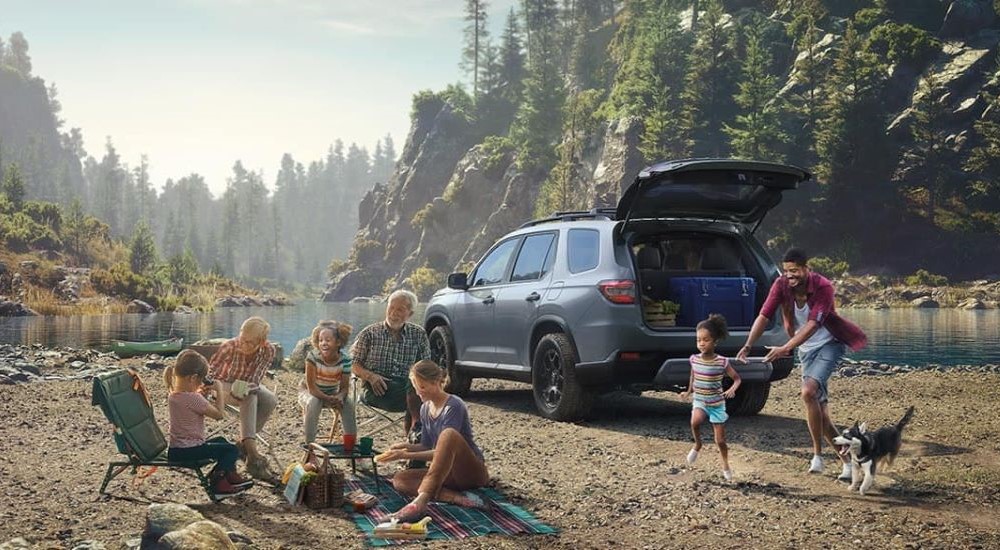
The RV segment is as strong as ever, with current market saturation of 11.2 million households as of 2021. However, the Base Station aims to capture a different driving demographic. Honda has stated its intention to “disrupt the towable RV class” with the new pop-up camper, aiming to serve a younger, more active consumer base that’s wary of the pavement-bound, gas-guzzling RV segment. Younger buyers largely drove the pandemic-era “van life” craze and have already driven tremendous growth in the teardrop camper segment, with 68% of first-time RV buyers considering the format, according to a 2024 study. The lightweight trailers might be cozy compared to larger towable options and standalone RVs, but their size, affordability, and flexibility have made them the go-to choice for distinct demographics such as hikers, digital nomads, and young families. They’re also much easier to tow, which is a big selling point when compared to weightier options that often require full-size trucks and even heavy-duty models.
A Smart-Sized Camper
Only time will tell if the Base Station will actually make it to market. Concept vehicles rarely make it to market, and if they do, they tend to be significantly scaled back from the ambitious designs seen on the annual car show circuit. The Base Station isn’t technically a vehicle, which means it might be able to buck the unfortunate concept model trend, but odds are Honda will want to spend a little time gauging interest before launching a full production run. The brand’s FAQ page indicates that the Base Station is still a prototype and that Honda “will have more to share as development continues,” but the success of the Motocompacto should provide some encouragement. Producing a camper might not be as simple as designing a $1,000 e-scooter, but Honda has a solid history of delivering on such efforts. If nothing else, the Base Station showcases the newfound off-road ability and towing power of the automaker’s SUV lineup, but we’re hoping that the intriguing camper is more than just some marketing stunt.