The LS has been the flagship sedan of the Lexus lineup since its introduction to the North American market in 1989. As the first-ever release from Toyota’s luxury brand, the LS400 quickly earned a reputation for bringing Japanese luxury sedans to a level on par with the great luxury car manufacturers of Europe, with precision engineering, hair-raising performance, and an elegant, timeless design that set the standard for future Lexus model runs.
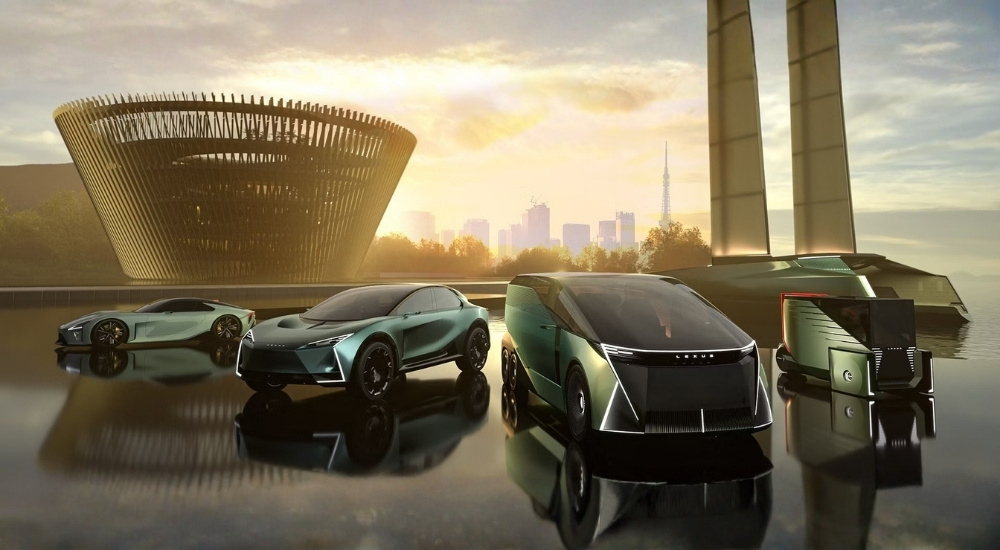
The era of the LS has come to an end, however, as Lexus will sunset the indomitable line of luxury sedans with the LS Heritage Edition in 2026. The 2027 model year will mark the first time in nearly four decades that a new LS model hasn’t rolled off the Lexus production lines. However, the fate of the LS doesn’t appear to be terminal. At the 2025 Japan Mobility Show, Lexus charted a new course with an aggressively redesigned LS concept that wasn’t a sedan at all, but rather a six-wheeled van. While the Lexus LS Van concept may or may not end up on the production lines, it signals a dramatic shift for a brand long known for classically designed luxury sedans and SUVs. Is the LS Van a potential game-changer? What does the redesign say about the automaker’s future plans for meeting changing driver preferences and market dynamics?
The LS Van Concept: Novel Thinking Meets Modern Style
The LS Van concept is a complete reimagining of the legendary LS line, and the redesign goes well beyond aesthetics. The revolutionary concept boldly stands out from any other Lexus model ever produced, with a unique sci-fi appeal that looks more at home on a distant planet than on Earth’s highways and byways.
If the goal of Lexus designers was to completely change nearly everything about the legacy LS line, that mission was resoundingly accomplished with the LS Van concept. You can’t get much further from an elegant, full-size gasoline-powered luxury sedan than a Space Age battery-powered six-wheeler, and few drivers would ever mistake the LS Van for its predecessor. There are no similarities between the LS models of the past and the newly proposed concept, aside from Lexus’ continuing focus on peak luxury and opulent comfort.
A Radical Redesign
The most striking aspect of the new LS, aside from its transformation from a long, sleek sedan to a van, is its six wheels. That’s right, the Lexus LS Van concept is a six-wheeled van with a minivan-style sliding side door. There are two full-size front wheels and two sets of smaller wheels bringing up the rear. The extra rear axle extends the wheelbase in keeping with the new meaning behind the “LS” initials. The LS was once designated a “luxury sedan,” but now LS stands for “luxury space.” The addition of the third axle allows for a vastly expanded cabin, offering open, airy, easy-to-maneuver space under the LS’s elongated roof.
That additional space isn’t wasted, as the LS Concept features full-length windows that run down either side of the cabin, with twin parallel skylights above that let in sunlight and further enhance the openness of the cavernous cabin. When privacy is preferred, integrated blinds and window shades can create a quiet, safe space within the cabin for maximum privacy.
The LS Van also features an innovative seating arrangement. Instead of the typical three-row front-bucket, rear-bench configuration found in many extended-length SUVs and vans, the LS Van includes 360-degree rotating captain’s chairs throughout, so occupants can enjoy the space, carry on conversations, and treat the cabin like a rolling living room. There’s also a potential seat configuration that replaces the rear captain’s chairs with a reclining bench that can fold flat for use as a bed.
The LS Van is a battery-electric vehicle that relies on electricity for power. Though details aren’t available regarding its powertrain specs, the intention was to create a modern, super-efficient, quiet vehicle that offers elevated ride quality. The LS Van is also unique in that it is not intended to be a single-person commuter vehicle. Instead, it is outfitted with a chauffeur’s cockpit, a yoke steering wheel, and a slick, streamlined digital display up front.
As you would expect in a vehicle as thoroughly modern as the LS Van, the concept vehicle incorporates advanced interior tech. Though details are still vague, the LS Van features an enormous 48-inch pull-down media screen in the rear quarters of the cabin. This serves as the vehicle’s infotainment hub, enabling rear passengers to stay entertained and engaged on the road.
When Will Production Begin?
Because almost every aspect of the LS Van’s initial design is revolutionary, don’t expect to see it tooling around the suburbs anytime soon. In fact, the LS Van concept is still just a concept, and there’s no guarantee the prototype will ever be produced.
Further, Lexus currently doesn’t have a manufacturing platform to support the production of the concept, as it has never produced any six-wheeled vehicles. There’s no existing six-wheel-friendly frame upon which to build the concept, and even details like tooling and production processes have not yet been untangled by the automaker. While the concept is unlikely to reach the market anytime soon, it marks a radical shift in design and philosophy for the luxury automaker. The evolving strategy indicates a departure from the sedans of old and a move into more tech-savvy, groundbreaking luxury vehicles that may one day revolutionize the category altogether.
A Major Pivot Driven By the Market
Why did Lexus elect to end its longest-running sedan and completely revolutionize the LS concept? The radical act was driven by market dynamics that have significantly altered consumer preferences and Lexus’s position in the hierarchy of luxury automakers. The current changes taking place within Toyota’s luxury branch represent recognition of a battle lost to luxury SUVs and a path to retaining market share in an ever-changing auto sales environment. Due to declining sales of luxury sedans, intensified competition from traditional luxury sedan manufacturers, and changing consumer preferences, Lexus has been forced to refine its future strategy and find novel ways to remain relevant for decades to come.
Declining Sales Figures
Sedans and traditional cars have seen a steep decline in sales over the past few decades. Once a staple of American roadways, the classic sedan has been losing ground to SUVs for years. The prominence of hybrid powertrains has given sedans and other traditional cars a few last chances, but the days of the modern luxury sedan as king of the road are firmly in the past.
The decline has been so steep that some major automakers have removed sedans from their vehicle lineups altogether. That declining interest is a problem for a brand built on its luxury sedans, and Lexus decided to pivot away from the LS for that reason. Instead, Lexus will focus on enhancing its line of luxury SUVs and sports coupes, both of which maintain respectable sales numbers. The LS Van provides a peek into the automaker’s long-term solution for life after the sedan, creating a new class of SUV with features that represent the future of driving technology.
Increased Competition
Another reason for the radical departure from the luxury sedan is the stout competition Lexus faces from other luxury automakers like Mercedes-Benz and BMW. Those companies command the bulk of the remaining luxury sedan interest thanks to their robust branding and well-established cachet as the preeminent producers in the market segment. Upstart luxury brands like Genesis further dilute sales, especially since they offer luxury features at a more affordable price.
Rather than continue to battle brand behemoths and newcomers for a diminishing slice of the luxury sedan pie, Lexus has instead pivoted their current production to luxury SUVs and sports cars. The competition in the luxury SUV market remains strong, but Lexus has an established presence there. Also, that segment of the auto market continues to grow, offering plenty of opportunity for the future.
Changing Consumer Affinities
Modern customers have shown a strong preference for luxury SUVs, leading brands like Lexus to begin dismantling their sedan lines to serve customers better. Drivers appreciate the higher stance, the greater interior space, and the perceived safety benefits offered by SUVs, and that likely won’t change in the short term. Instead of pouring research and development resources into unpopular sedans, Lexus’s LS Van concept signals a desire to create the next big thing in automotive design, positioning the brand at the head of the future pack.
Also, the LS Van aligns with consumer demand for a more robust lineup of electric vehicles that don’t require compromise. With the LS Van concept, drivers would get a massive interior, the ride quality of a large SUV, and the efficiency and smooth performance of an EV. If the technology allows, the LS Van concept would offer unique benefits unmatched by other currently proposed concepts.
The LS Van Concept Reveals Future Strategy
The LS Van concept does more than just offer a fun glimpse into the future of the vehicles the automaker may produce in the coming years. It also shows the brand’s recognition that its previous cash cow, the luxury sedan, has been put out to pasture by intense competition and changing driver preferences. It also indicates that Lexus has no plans to go out quietly as sedan popularity declines. The design of the LS Van is nothing short of revolutionary, offering drivers a forecast for what the current king of the automotive industry, the SUV, may one day become. With an all-electric drive system, a radically different interior design, and the benefit of advanced modern technology, the LS Van is a forecast of the kind of out-of-the-box thinking for which the Lexus brand is known.