Spooky season might be in the rearview mirror, but we’re still feeling a bit macabre over here at AutoInfluence. As the jack o’lanterns rot on the front porch and the kids start to ask where all of their Halloween candy disappeared to, we thought it would be a good time to pay our respects to some of the vehicles that have moved on to that great junkyard in the sky. A certain level of turnover is nothing new in the auto industry, with brands frequently updating their lineups to reflect emerging trends, shifting consumer tastes, and declining sales. That said, 2025 sees the end of some surprisingly popular models.
Some of these vehicles are just undergoing a name change. The Mercedes-Benz EQB will become the rather wordy GLB Electric with EQ Technology, and Toyota’s all-electric bZ4X SUV will abandon its randomly-generated password vibes for a simplified bZ moniker. However, others are done for good, at least in their current form. Some brands are ditching their purely gas-powered models for new EV options or shifting their lineups to prioritize the ever-popular crossover. There’s also the tariff effect. Many manufacturers already operate with razor-thin margins, and adding a 15 to 25 percent tariff is a surefire way to hasten a model’s demise.
While parting can be such sweet sorrow, it’s time to review the models that will be shuffling their mortal coil springs at the end of 2025. This isn’t necessarily an exhaustive list, as we’ve limited the scope to more popular models and nixed some luxury options and high-performance vehicles in the name of relevance. However, it should still give you a good idea of what the auto market will look like as we roll into 2026. In addition to eulogizing these dearly departed vehicles, we’ve also included some possible replacements, listing a logical next of kin that could help fill the void left by each model.
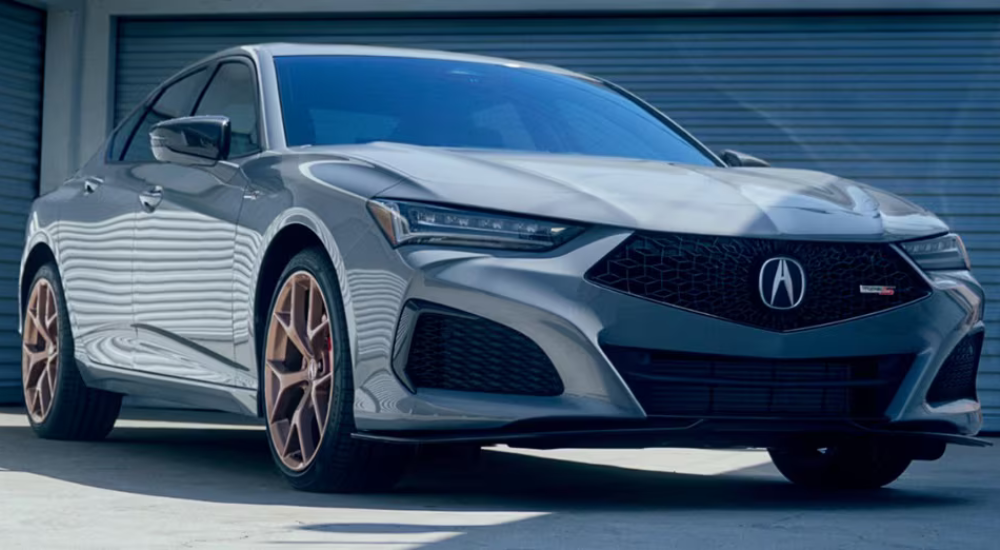
Acura TLX
Cause of Death: The crossover-pocalypse
Next of Kin: Genesis G70, BMW 3 Series, Cadillac CT5
Few segments have fared quite as poorly as the humble sedan. Once the go-to option for personal transportation, sedans have been steadily supplanted by crossover SUVs over the last few decades and now represent an endangered species in today’s market. Case in point: the Acura TLX. The sporty model will hit the old dusty trail for 2026, which means the Integra will stand alone as the sole sedan in Acura’s lineup.
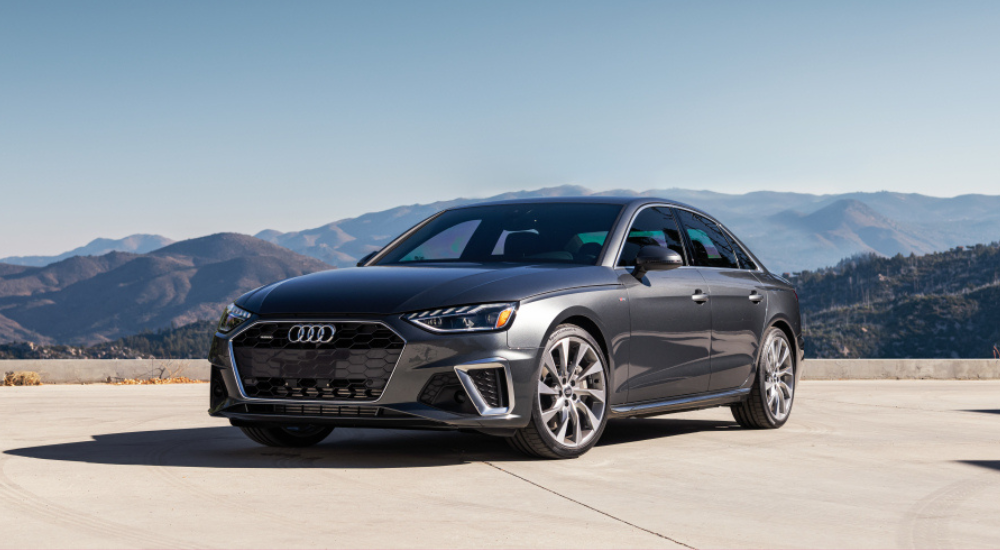
Audi A4 and S4
Cause of Death: Making way for the next generation
Next of Kin: Audi A5
Audi’s compact executive car has enjoyed a good 30 years on the market, but its run now comes to an end as it makes room for the new and improved A5. Previously offered as a coupe, the A5 has transitioned to a new four-door liftback format, making the existing A4 somewhat redundant as the brand moves forward. The A4 and the performance-focused S4 could return in EV form in the near future, but any exact predictions would be a little premature.
BMW X4
Cause of Death: Outpaced by EVs
Next of Kin: Mercedes‑Benz GLC Coupe, Porsche Macan
The BMW X4 made waves upon its release in 2015, with buyers lining up to experience the luxury SUV. However, slowing sales have led to the model’s early exit after less than a decade on the market. The brand’s Spartanburg, South Carolina, plant has been tasked with producing six new electric models by 2030, including the X3 compact luxury crossover, which doesn’t leave a lot of room for the X4 and its unique, coupe-inspired styling. The X4’s bold design will be sorely missed, though, like many of the models on our list, it could very well return in EV form.
Cadillac XT4 and XT6
Cause of Death: Crushed by the EV wave
Next of Kin: Cadillac OPTIQ, VISTIQ
Two of Cadillac’s luxury SUVs won’t make it to 2026 as GM slowly shifts to an increasingly electric lineup. We hardly knew the full-size XT6 and compact XT4, which ended their production runs after just six and seven years, respectively. It’s a sign of the times, with the two SUVs falling victim to the EV trend, but drivers will be able to enjoy more sustainable and thrilling replacements in the compact OPTIQ and three-row VISTIQ.
Chevy Malibu
Cause of Death: Losing its production line to the Chevy Bolt
Next of Kin: Toyota Camry, Honda Accord
The passing of the Malibu marks the end of an era for Chevrolet. The brand that brought us such iconic models as the Impala, Bel Air, and Caprice has eliminated the final sedan in its lineup. Malibu sales were actually pretty strong as of late, with Chevy moving around 120,000 units despite an industry-wide shift towards crossover models. However, GM’s Kansas assembly plant is being retooled to make way for the market’s most affordable EV, the Chevy Bolt.
Ford Escape
Cause of Death: Trampled by the Bronco and EV demand
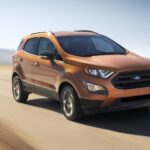
Next of Kin: Ford Bronco Sport
The Ford Escape might not be moving a record 300,000-plus units like it did back in 2017, but the compact crossover SUV was still one of the company’s best-selling models and a great option for an affordable SUV. Ford’s decision to pull the plug might be a little confounding, but there are two clear reasons for the discontinuation. First off, the Escape’s primary plant is shifting its focus to a new midsize electric pickup that’ll be the first model to ride on the Ford Universal EV Platform. Second, the brand is trying to shift the focus to the Bronco Sport, a crossover version of the legendary Bronco that offers similarly enticing style and no shortage of off-road ability.
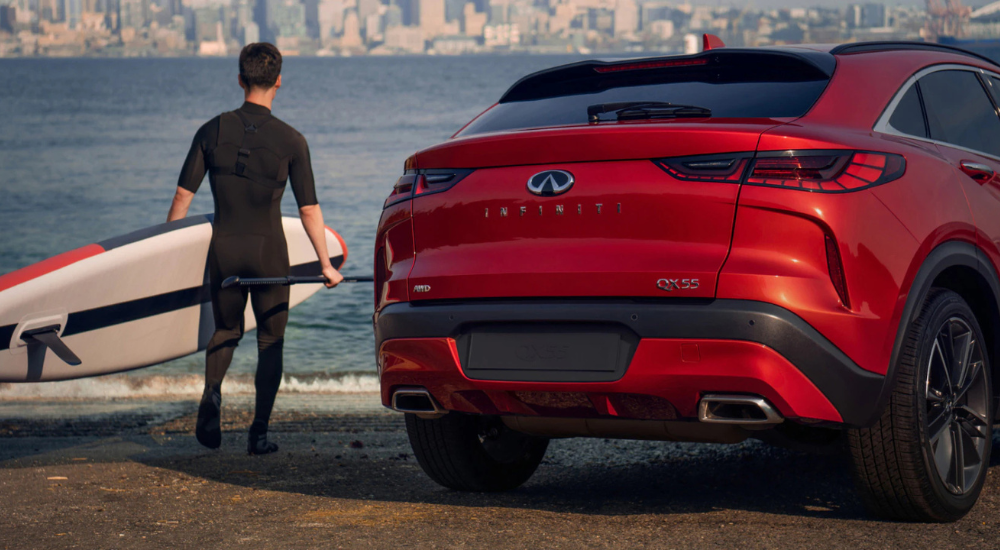
Infiniti QX50, QX55
Cause of Death: The “bigger is better” trend
Next of Kin: QX60, QX65 (2027)
As Infiniti seeks to upsize its crossover fleet, the compact QX50 and QX55 are falling by the wayside. A new turbocharged engine helped the second-generation SUV make strides in terms of efficiency, but the compacts were unable to compete with some of the segment’s more economical options. The QX50 was one of the brand’s best-selling models, and the QX55 provided a sporty alternative with its coupe-like design. However, Infiniti hopes that buyers will migrate to the midsize QX60, full-size QX80, and the new midsize 2027 QX65 in their absence.
Lincoln Corsair
Cause of Death: Ford’s electric future
Next of Kin: Volvo XC60, Acura RDX
Like the Ford Escape, which is produced at the same Kentucky plant, Lincoln’s compact luxury crossover will be put to rest to make room for Ford’s new midsize electric pickup. The Corsair only lasted five years on the market, and although customers seemed to be growing fond of the luxury model, tough decisions had to be made as Ford prepared for the future. Reports suggest that there will be a substantial backstock of Escapes and Corsairs that should last well into 2026. However, they may be difficult to find in some states due to strict emissions guidelines.
Nissan Altima
Cause of Death: What’s a sedan?
Next of Kin: Toyota Camry, Kia K5
Despite its budget-friendly price, Nissan’s midsize Altima can’t withstand the market-wide shift away from traditional sedans. A mainstay of the Nissan lineup since 1993, the Altima bids farewell for 2026, which leaves drivers with one less affordable sedan to choose from in the ever-shrinking segment. It’s really a shame, as the Altima’s mix of performance and price, especially the 248-hp SR VC-Turbo trim, made the midsize model a standout in the modern market.
Nissan Versa
Cause of Death: Tariffed, and maybe too affordable
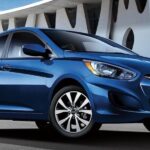
Next of Kin: Hyundai Accent
The Nissan Versa has long been the entry-level sedan against which all other entry-level sedans are measured, at least in terms of price. We’ll never know how Nissan managed to produce a road-legal car for less than $20,000 in today’s market, and apparently neither do the company’s accountants. Low profit margins and slackening demand prompt the Versa to exit in 2026. Tariffs also play a role in the largely Mexico-made sedan, and while the Versa will be missed for its low price, its substandard performance won’t be.
Subaru Legacy
Cause of Death: A sedan in an SUV’s world
Next of Kin: Subaru Outback, Toyota Camry
Rumors of the Subaru Legacy’s death were greatly exaggerated, at least until this year. We fully expected the midsize sedan to be phased out for 2025, but Subaru gave the Legacy a brief reprieve before finally dropping the axe for 2026. The longest-running model on our list, the Legacy has been providing drivers with AWD fun since 1989. However, it’s a bittersweet time in Subaru circles, as the recently redesigned Outback offers a satisfying, if not sedan-like, alternative. The Legacy provides a wealth of memories spanning the last seven generations, making it particularly difficult to bid farewell.
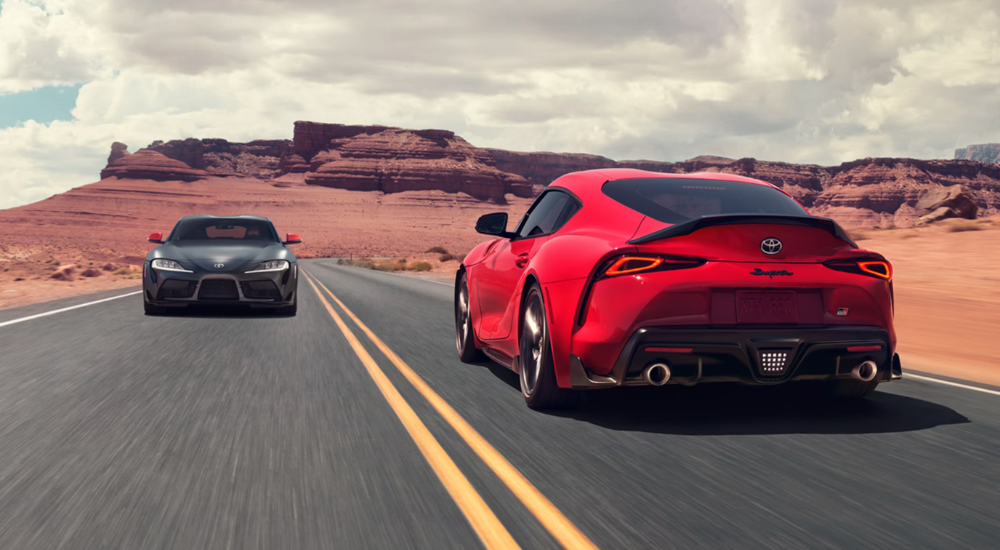
Toyota GR Supra/BMW Z4
Cause of Death: “I’m not dead!”
Next of Kin: Toyota GR86, Nissan Z
Few cars have achieved the same iconic status as the Toyota GR Supra. The brand’s flagship sports car is a bona fide box office star, roaring into the hearts of countless drivers thanks to its role as the hero car in the uber-popular Fast and Furious franchise. Why is Toyota ready to throw in the towel on such a well-known model?
The answer is that it’s probably not. The Supra is no stranger to a little downtime. The sports car wasn’t even produced between 2003 and 2018, and the smart money is on the badge being revived in the very near future. It could all just be a ploy to help move the exclusive Supra MKV Final Edition, but it’s hard to be mad at a car that’s given us so many memories over the years. The BMW Z4, which shares much of its mechanical underpinnings with the Supra, will also be discontinued for the time being.
Volvo S60, S90, V90, V60 Polestar Engineered
Cause of Death: A sedan in an SUV’s world
Next of Kin: BMW 5 Series Touring, Genesis G70
What is going on at Volvo? The Swedish brand, once known for its safety-minded wagons, is now shifting to an entirely SUV-based lineup for 2026, eliminating a significant portion of its roster in the process. The S60 and S90 luxury sedans never sold many units, especially the S90, which logged just over 1,300 sales in 2024. However, one would have thought that Volvo loyalists would have been able to keep the V90 and hybrid V60 Polestar Engineered wagons going for a bit longer. A perfect storm of low demand, increased tariffs, and an SUV-obsessed populace sees Volvo make some major cuts. We can always hold out hope for some revived EV variants.
A Moment of Silence
Change is a natural part of the automotive lifecycle, driving innovation and making way for new models that can lead to a new era of sustainability, performance, and design. New hybrid and EV technology has led to historically high turnover over the last decade, but it’s not the only factor to keep in mind. Crossover SUVs have become the de facto design for the average vehicle, leaving little room for the sedans that once ruled the road. There are a few bright spots to look forward to, with major brands like Chevy and Ford set to introduce a new generation of EV options in the revived Bolt and the as-yet-unamed midsize pickup that’ll ride on the Ford Universal EV Platform. The era of electrification also opens the door to some promising performance potential, which could allow classic nameplates like the Toyota Supra to perhaps reemerge as a thrill-packed EV. It’s easy to get a little grim about the departure of fan-favorites like the Toyota GR Supra and Ford Escape, but there’s no reason to fear the automotive reaper.