Over the last ten years or so, it’s been hard to find a car manufacturer that hasn’t been focusing on making more electric vehicles. It’s almost felt as if someone announced an unofficial race to see which car brand could go fully electric first, and every major player, including Honda, lined up to run. Between aggressive policy changes that pressure manufacturers to reduce emissions and apparent consumer interest in walking away from fuel pumps, car brands had plenty of reason to focus on electric vehicles.
It came as a shock to everyone when Honda recently announced it would temporarily pull the plug on its electric vehicle efforts. Why? The answer has many layers. Honda isn’t technically walking away for good. It’s just putting EVs on ice while it reassesses the markets and its financial and creative bandwidth. We’ll get into the nuance of it all below, so you can decide for yourself whether Honda is being wise or too quick to react.
An Overview of What’s Happening
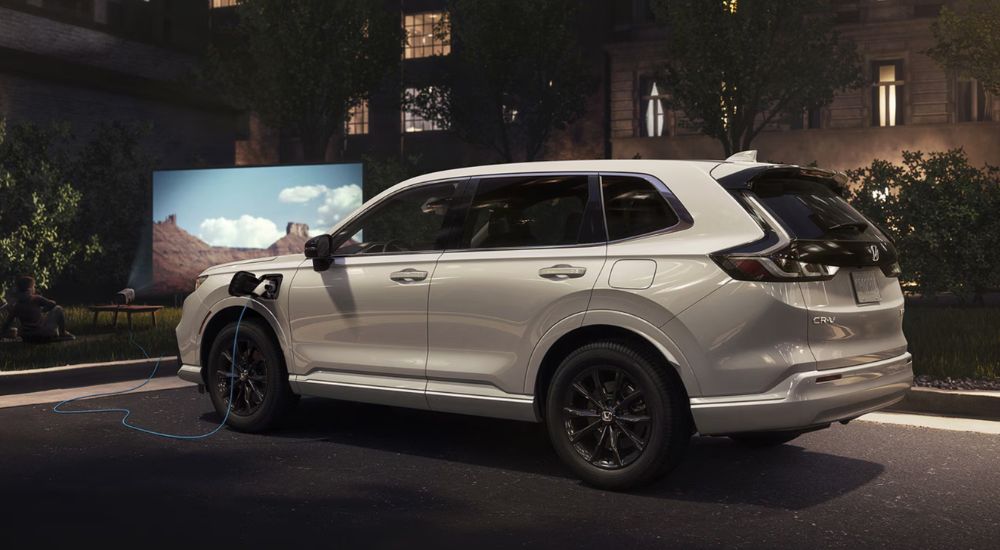
Honda recently announced it’ll be pulling back on electric vehicle efforts, going so far as to cancel the development of three EV models previously set to launch in the U.S. The brand will redirect many of its funds and efforts toward hybrid vehicles. It is doing this for the reason most brands do most things: money. Honda has found that electric vehicles haven’t proven as profitable as it had hoped, for a number of reasons that we’ll get into in the next sections. However, it’s important to note Honda isn’t permanently bailing on electric vehicles. It’s just stepping back to reassess how and when they approach that market.
EV Popularity Isn’t Taking Off as Expected
You’ve probably felt a little buzz in the air, suggesting that if you don’t buy an EV soon, you’ll be left in the dust. However, it turns out that that was mostly smoke and mirrors. Customers have not adapted to electric vehicles as quickly as anticipated. Ultimately, concerns surrounding charging infrastructure, upfront costs, and vehicle range still hold many consumers back from going electric.
While electric vehicle sales have stalled, hybrid vehicle sales have surged. Hybrid vehicles offer the fuel savings drivers are interested in, but don’t require the major routine and equipment changes that electric vehicles do. You don’t need an at-home charger for a hybrid, nor do you need a map of all the local public charging stations. You also don’t need to worry about being stranded during a power outage. Plus, hybrids still tend to cost less than electric vehicles. It has become clear to Honda that hybrids should be its focus.
Electric Vehicles Aren’t Cheap
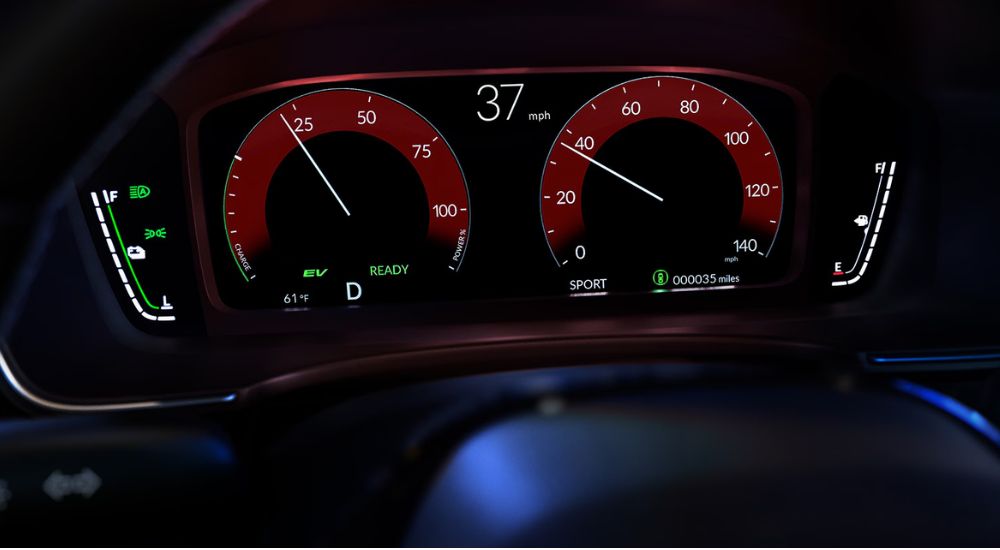
I don’t just mean for the consumer, either. The reason EVs have such high sticker prices is that they cost a lot to make. Between their batteries and unique platforms, electric vehicles are expensive to build. Honda has found it hard to justify spending that much on an investment that’s looking shakier by the day. Honda is mitigating financial risk by withdrawing from its investments in electric vehicles. It doesn’t want to accidentally build a bunch of cars that nobody wants.
Honda Put Its Eggs in the Wrong Basket
In a surprisingly humble moment, Honda has confessed that its focus on EVs might have caused it to neglect its other vehicles. The brand has admitted that while it was throwing everything it had at electric vehicles, it failed to keep its edge in other areas. As a result, its traditional gas and hybrid models have started to slip in quality. We’re seeing an overcorrection that’s now being corrected in the other direction. Honda knows where its bread is buttered, and it’s coming back for more butter.
Difficulty Keeping Up
Honda has also been struggling to compete with what feels like a never-ending list of new electric vehicle manufacturers, built from the ground up to only make EVs. Honda is slowly transitioning from a gas vehicle manufacturer to an EV manufacturer, seeking ways to repurpose its existing infrastructure. Meanwhile, you have all of the new EV brands that came out of the gates making EVs. They aren’t facing such delays as they try to transform into EV makers. They were “born” that way. As such, many are developing EVs that are more like smartphones than traditional cars, with software-forward designs.
Many of the newest EVs receive over-the-air updates and are ripe for frequent model releases. Rather than building a whole new car each time they add new features, some of the latest EV brands simply update the cars they already have on the road via over-the-air updates. Honda hasn’t quite figured out how to do that as well. When it comes to EVs, Honda is a dinosaur competing with a bunny. Unfortunately, size and age can’t compete with agility in the EV world.
What Does It All Mean?
The truth is that Honda is not the only major car brand stepping back from electric vehicle production. General Motors, Ford, and Stellantis have all faced disappointing returns on EV investments and announced plans to scale back EV development for now.
What we’re seeing is a reaction to this simple fact: electric vehicle popularity didn’t skyrocket as high or as quickly as anyone anticipated. A few world news and policy events solidified this shift. The end of the $7,500 tax credit on new EVs essentially raised prices by that amount, making them less desirable and affordable than when the credit was in effect. Tariffs, not only on cars but also components and materials, have made importing anything necessary for EV production more expensive than ever. Finally, the EPA is actually easing restrictions on fossil fuel emissions and fuel economy standards, easing consumer anxiety about buying transitional gas vehicles.
None of this is to say that car brands are giving up on creating electric vehicles forever. EVs remain popular in other parts of the world, and may see a resurgence in North America sooner than expected due to high gas prices. They’re just pausing and waiting to see how world events and consumer behaviors shift, in the hopes that one day, they’ll align more with electric vehicles.
To Wrap It All Up
Honda took a loss on electric vehicles. It was big enough to admit it. It started spending too much on a product that isn’t necessarily in high demand yet, at least not such high demand that it justified the investment of time, money, and resources. Honda is getting back to basics, refocusing on gas and hybrid models that may have fallen behind competitors’ offerings.
A variety of factors, including tax credits, tariffs, consumer hesitation, global competition, and fossil fuel regulations, have all made Honda’s electric models hard to make and hard to sell. Honda is just one of several major brands facing the same issues. I believe this was a smart move. Honda is not necessarily cutting its ties to EVs, but loosening them until conditions improve.
If you really don’t want a traditional gas engine model, the good news is that Honda and its competitors have vowed to focus heavily on hybrids. You can still find vehicles that help you cut fuel costs from the names you love. Hybrid vehicles might just keep getting better and better as Honda and other brands refocus their efforts on this vehicle category.