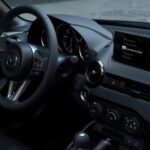
Are you like me in noticing that digital-only controls are everywhere in modern cars? You’re not alone. From touchscreens to digital gauge clusters, virtual controls seemed to have taken over vehicles by the early 2020s, with nearly 100% of cars using them. Certain automakers, like Tesla, are notorious for running nearly every function through the central screen.
But a shift is well underway. A survey conducted by the UK publication What Car? in 2024 found that 89% of drivers prefer physical controls, and nearly 60% would be “put off” by a car with only virtual controls. As a result, automakers are now bringing back at least some of the tactile controls they abandoned. Who is doing so, and just as importantly, why the backlash? I went under the hood on this phenomenon to discover why, even with digital immersion everywhere, analog in a vehicle cabin remains king.
The Digital Backlash
Whether it’s scrolling social media on a smartphone, tap-to-pay with credit cards, taking a video tour of a house, or virtual game tickets and airplane boarding passes — trust me, I’ve experienced all of them — it’s hard to escape the digital world. The convenience of such experiences is hard to argue with, and this is a major reason for their prevalence.
Yet it feels like the digital saturation point has arrived, even for the younger crowd. In the 2025 Return of Touch report by Harris Poll and Quad, 81% of Gen Zers want to have regular “digital detoxes,” and 84% of respondents value a mix of digital and physical experiences rather than going fully digital.
The automotive industry is caught in the middle of this change in perspective. The studies I mentioned, along with firsthand accounts, indicate that most drivers want their physical controls back. Whether it’s an affordable daily driver or an exhilarating supercar, digital is definitely not all the rage.
Why Car Enthusiasts Are Interested in Physical Controls
That raises the question of why people are railing against automakers for having gone all-in on virtual controls. Two primary reasons have emerged: personal preference and genuine concerns about safety.
People Are Frustrated with Digital Controls
Part of the “personal preference” mantra is the visceral feel of analog controls in a vehicle. As one Reddit user notes, there’s nothing like being able to physically touch and feel the controls, creating a better connection to the vehicle. It’s the same reason some people would rather play a vinyl record than an MP3, or use traditional film instead of digital photography.
The other part is that physical controls are often easier to use. Consumer Affairs observes that you don’t have to go too far down the rabbit hole to find endless complaints about confusing menus, input lag, having to navigate multiple screens for simple tasks, or even screens freezing up while driving.
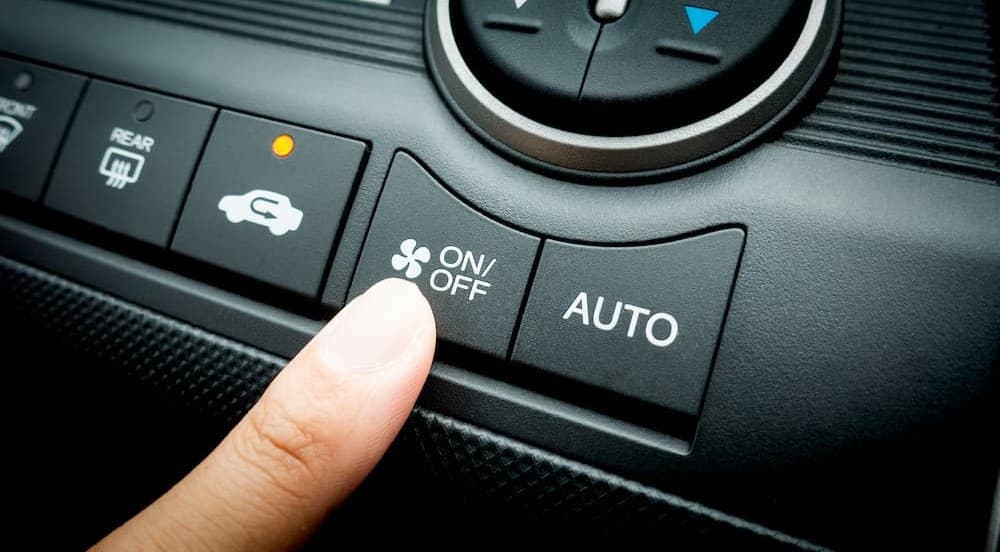
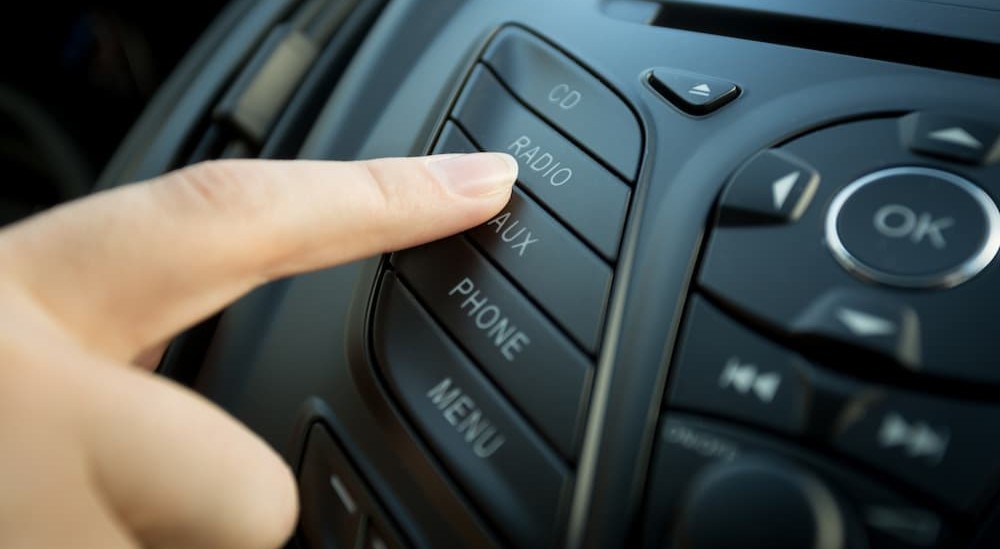
With analog controls, you simply push a button, turn a dial, or flick a switch. You don’t need ten seconds with your eyes off the road to scroll through four menus just to change the fan speed. That simplicity and familiarity are big reasons why people like the analog route.
Touchscreens and Virtual Controls are Distracting
There’s no question that distracted driving is dangerous, causing over 3,200 U.S. deaths and over 310,000 injuries a year, according to NHTSA. Most people think of using their phone or talking to people as distracted driving, but there is increasing evidence that overuse of virtual cockpit controls falls into that category.
The Swedish publication ViBilagare conducted separate tests in 2022 and 2026 in which motorists were asked to perform everyday tasks using a touchscreen, such as switching radio stations and adjusting climate settings, while driving at highway speeds. (It used a closed airfield for safety.) The same 11 car models were tested using the most recent model year.
The results were concerning. Even given time to learn the functions beforehand, it took drivers 2,480 feet to complete the tasks in 2022 and 2,667 feet in 2026. That’s a 7.5% increase, indicating that virtual systems are becoming more complex and thus more distracting for drivers.
That’s not an isolated result. A 2020 IAM Roadsmart study found that using touch-based screen mirroring increased reaction times by up to 57% compared to undistracted driving. For comparison, response times rose 12% for drunk drivers and 21% for marijuana users. In other words, excessive virtual controls may pose a greater safety risk than being legally intoxicated.
Which Automakers Are Shifting Back to Analog?
The good news is that some automotive manufacturers are getting the message. Although moving back to analog controls can’t happen overnight — the process of a car going from concept to production can take up to six years — several notable names are either already on a new course or charting one.
- Audi: As part of its new “Radical Next” design language, future Audi models like the Concept C will restore physical controls with the beloved “Audi click.” The touchscreens will also shrink in size.
- Volkswagen: The new ID. Polo EV adds a row of analog buttons below the screen for HVAC, adds large physical keypads to the steering wheel, and even brings back the rotary knob for volume and skipping songs.
- Hyundai: The Korean automaker was one of the earliest to say it would keep physical buttons to some degree. It currently favors a balance of analog and digital with physical controls for the most frequently used functions.
- Mercedes-Benz: In September 2025, the luxury giant announced it would de-emphasize touch controls in future models, beginning with the steering wheel. Executives even issued a mea culpa, admitting they rushed into going digital.
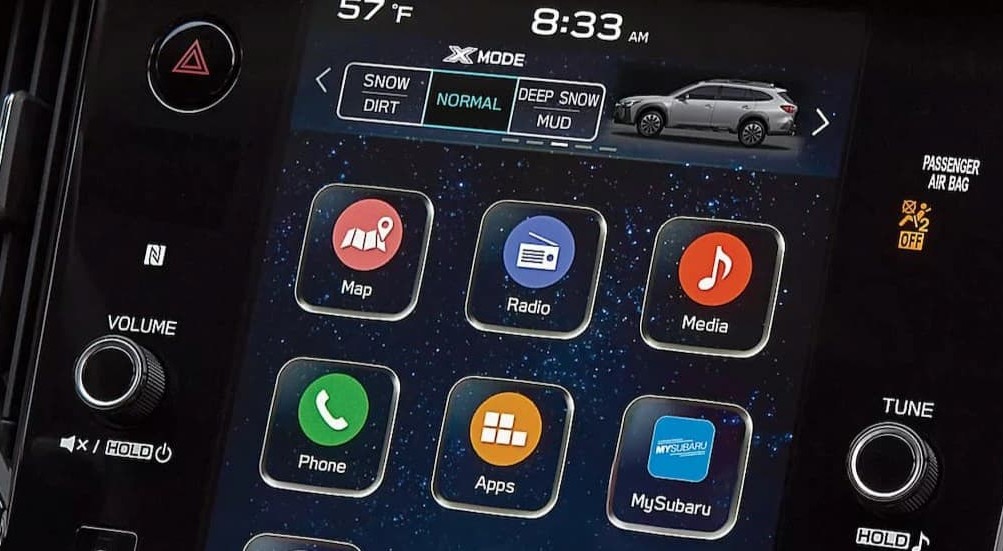
- Subaru: The 2026 Outback addressed customer complaints by reintroducing physical buttons for climate controls and seat heating/cooling functions, which had previously been on a separate screen.
- Porsche: Although its screens continue to grow, such as in the Cayenne EV, Porsche has reverted to analog controls for audio and climate functions. It also groups the most important buttons near the steering wheel for easier access.
Beyond North American shores, EuroNCAP introduced new requirements in February 2026 that require European cars to have more physical buttons for common tasks and fewer screens to earn a five-star safety rating. This essentially forces automakers to redesign their interiors to make them more analog.
Rejecting Digital Controls for Analog
Between comfort, ease of use, and safety, it appears there will be a sizable market for analog driving controls into the foreseeable future. In all of this, I found the September 2025 comments by Mercedes-Benz Group CEO and Chairman Ola Källenius, as reported by MotorTrend, most interesting.
“It is one of those things, you get ahead of yourself, and you do really cool things. You test it and it works beautifully. But sometimes you have to take two steps backwards to take one step forward.”
To me, that’s the vehicle version of the famous line in Jurassic Park about bringing back dinosaurs. Automakers spent so much time thinking about whether they could make a vehicle cockpit fully immersive and virtual that they didn’t stop to consider whether they should. Manufacturers just jumped right in, whether it was for cost savings or simply to keep up.
Along the way, companies ignored the fact that, by and large, it was a change that was, at best, something customers didn’t ask for and, at worst, something they never wanted. Fortunately, between the negative customer feedback and growing data on safety concerns, many automakers are seeing the light and restoring some of the proven analog experience.