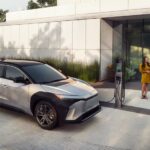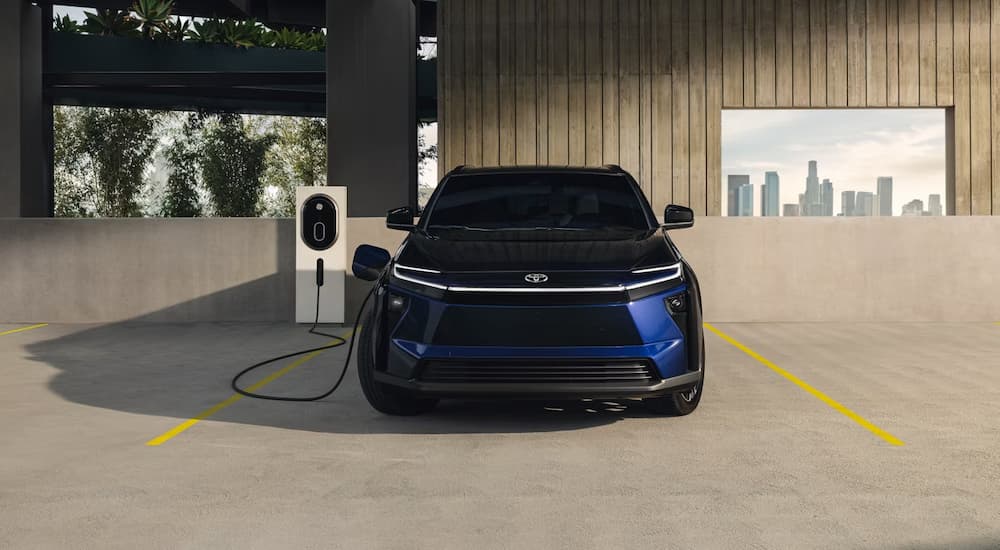
The automotive world is increasingly focused on efficiency, and this priority, combined with growing consumer demand, has led to a rapid expansion of hybrid and electric vehicles over the past decade. Following these trends, Toyota introduced a straightforward and effective response to rising EV demand in the 2023 model year, debuting the Toyota bZ4X to widespread acclaim among enthusiasts of electrified vehicles.
Although the Toyota bZ4X was introduced in North America just three years ago, Toyota has since reworked the lineup, adding features and technology, extending its range, and reshaping the future of its compact crossover EV SUV. More importantly, the company has simplified the name to bZ to signal this refresh for the 2026 model year. For drivers seeking a top-shelf EV with expanded capabilities, considering a Toyota bZ for sale just makes sense.
While the bZ line was initially well-received, Toyota was unsatisfied with resting on the model’s laurels. The new improvements have made the bZ a formidable competitor for other top-selling electrified SUVs. This move will pay dividends for the automaker as customer demand for versatile EV and hybrid crossovers continues to surge. For customers seeking a wide range of features, versatile powertrain configurations, and reliable off-road capability, the new bZ lineup has the bases thoroughly covered.
What’s New for the 2026 Toyota bZ Lineup
A mid-cycle refresh allows Toyota to refine the bZ’s technology and capitalize on the rapid evolution of electrified powertrains. While the first incarnation of the bZ, the bZ4X, was efficient and capable, the second-generation refresh has given the bZ new life as an efficient, effective all-electrified compact crossover SUV.
A New Name and Realigned Trim Levels
Drivers looking for the bZ4X in the 2026 model year should note that the lineup has undergone a name change, dropping the “4X” suffix in favor of the simplified “bZ.” The new name is easier for consumers to remember, and the shift reflects the continued evolution of the EV and Toyota’s desire to differentiate the new, more advanced bZ lineup from its predecessor.
Another mostly superficial change to the bZ lineup involves the trim levels that are offered for the 2026 model year. Previous incarnations of the bZ4X were available in three trim levels: the base-trim XLE, the well-appointed Nightshade, and the premier Limited trim. For the 2026 model year, the renamed bZ is only available in XLE and Limited trim levels. The Nightshade trim has been discontinued altogether, and Toyota has introduced the bZ Woodland as a separate model, which I’ll cover in more detail below.
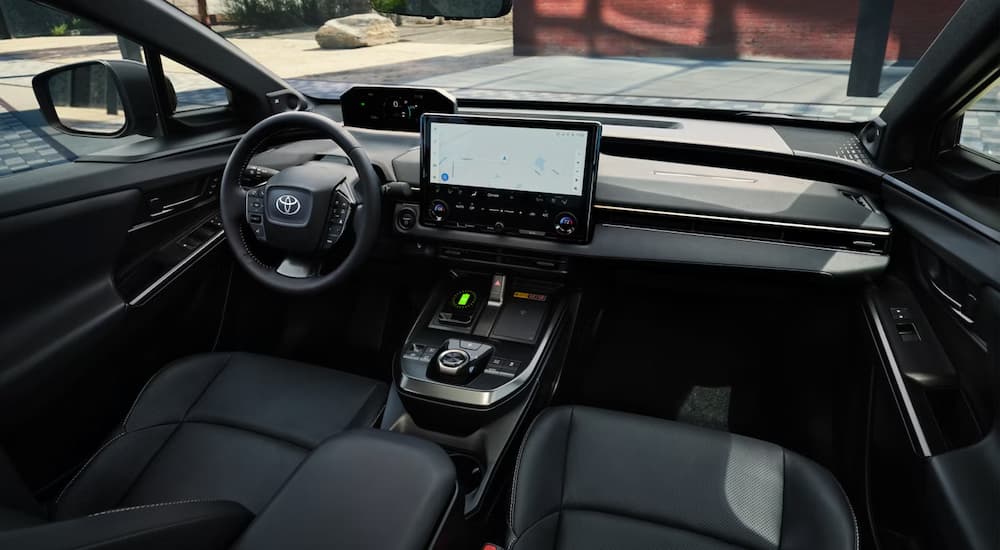
More Power
Both incarnations of the bZ and bZ Woodland received a marked increase in power for 2026 compared to the first-generation models. One of the complaints against the previous generation was that it only generated 201 hp and 196 lb-ft of torque in the single-motor battery, whereas the dual-motor bZ4X produced up to 214 hp and 248 lb-ft of torque.
Toyota remedied that comparative lack of power by boosting the output of the electric motors in the new generation bZ. The single-motor bZ delivers 221 hp and 198 lb-ft of torque, while the dual-motor version produces 338 hp, representing a significant increase in power compared to previous model years.
In the Woodland incarnation of the new bZ lineup, the dual-motor electric system delivers up to 375 hp while still improving upon the maximum range of previous versions of the bZ4X. All versions of the new bZ offer more power and enhanced performance, whether they use the single-motor FWD powertrain or the dual-motor AWD setup.
Greater Range
Another primary concern against the bZ4X has been addressed with the release of the bZ, as its range has significantly increased over the previous generation. EV must strike a balance between power and range, as battery size and weight are often limiting factors in the design. A larger battery means a heavier EV that requires more power to move it efficiently, which can limit range. A smaller, lighter battery can address that conundrum, but it conversely offers less capacity, which also reduces driving range.
To navigate this dynamic, engineers manufacture electric vehicles with smaller, capacity-rich batteries and more efficient electric motors, along with other systems that extend range, such as regenerative braking.
While the bZ4X featured both single-motor and dual-motor powertrain options, the battery capacity remained largely unchanged, with the single-motor model paired with a 71.4 kWh battery and the dual-motor model matched with a 72.8 kWh battery. Therefore, the range of both powertrains was relatively low compared to other EV brands, with the single-motor battery achieving 252 miles of range and the dual-motor powertrain yielding only 228 miles of range between charges.
This issue has been addressed in the refreshed bZ lineup, with every bZ variant now offering an extended range compared to previous models. However, Toyota has only slightly increased battery capacity to a standard 74.7 kWh for all trims of the 2026 bZ.
Now, the new single-motor delivers a range up to 314 miles with front-wheel drive, while the dual-motor setup has a range of 288 miles between charges with all-wheel drive. That approximately 60 miles of additional range makes a big difference for drivers, as it can mean extra miles for tackling errands around town, fewer stops to recharge on road trips, and greater confidence when travelling off the beaten path.
Even the high-powered bZ Woodland manages to achieve a greater range from its more powerful powertrain. Despite producing 161 hp, more than the first-generation dual-motor bZ4X, the bZ Woodland adds 32 miles more range with only a slightly larger battery. Even in the most powerful incarnation of the 2026 bZ, the range complaint has been successfully addressed.
Improvements to Charging
Toyota also addressed recharging the bZ, with several key improvements that enable faster and more efficient charging of the EV. For example, the required nine and a half hours of charging time for a full charge with a Level 2 supply, and a reported charging time of approximately 30 minutes to go from 10% to 80% when using a DC quick charger.
However, Toyota reports that the new bZ can also charge from 10% to 80% in a mere 30 minutes when using a DC quick charger. Even AC charging is faster in the new bZ, thanks to the addition of a higher-capacity 11-kW onboard charger. With a Level 2 AC supply, the bZ can charge from 10% to 100% in just seven hours. Combined with the extended range of the new bZ, that means you’ll be spending less time plugged in or searching for the nearest charging station, and more time on the road.
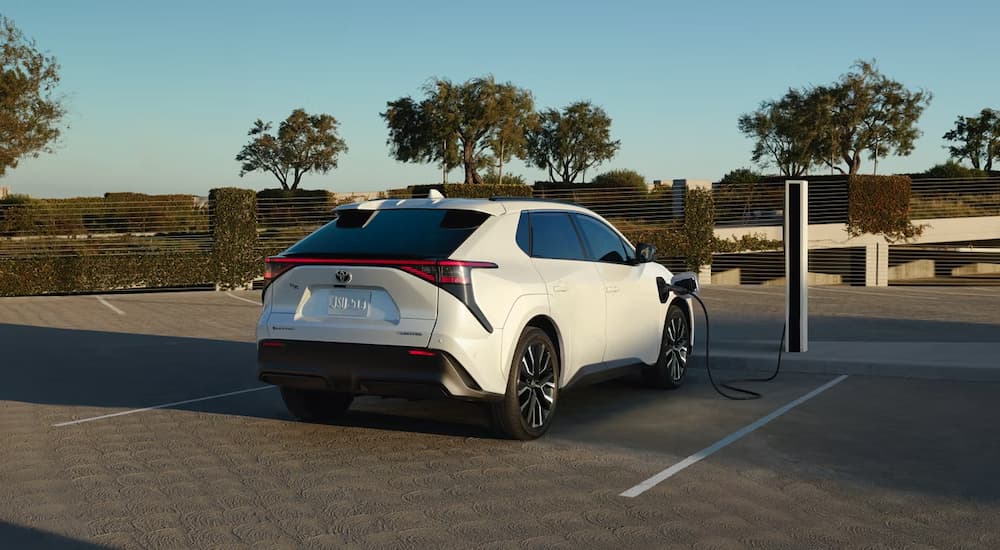
The bZ Woodland: Toyota’s Independent Off-Road EV
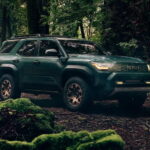
Though they share many similarities, the newly introduced bZ Woodland is a distinct model within the bZ lineup, not merely a trim level of the standard bZ. The Woodland boasts a larger body, enhanced power, rugged styling, and serious off-road capabilities for an electrified vehicle. This model is built to tackle tough terrain that would leave other EV SUVs stuck in the mud.
A notable distinction of the bZ Woodland from other bZ models is its longer body, compared to the standard bZ. It’s about six inches longer than the other bZ models, and provides just under an inch of additional height in the rear. The increase in size may seem slight, but it results in giving the model more than 30 cu.ft. of rear cargo space, which is perfect for carrying camping gear when adventuring off the beaten path.
It also offers more power than any other bZ model, a rugged off-road-ready exterior, and a 3,500-pound towing capacity. Other differences, like the standard black overfenders, 18-inch aluminum wheels, and all-terrain tires, represent a distinct off-roading aesthetic from the standard bZ lineup. While its standard AWD, dual-motor powertrain, and driver-selectable off-road modes give it serious terrain-conquering abilities that aren’t present in the other 2026 bZ models.
2026 Toyota bZ: Capability Meets EV
The new 2026 bZ lineup corrects many of the complaints against the bZ4X, adding power, range, and off-road capability that were lacking in the EV’s first generation. By addressing these issues, the new bZ is leaner, meaner, and more prepared to help Toyota secure a share of the all-electric SUV market, meeting customer demand and setting the stage for the future of Toyota’s EV lineup.
If you want an all-terrain EV that delivers capability without the outdated notions of electrified vehicles, the refreshed 2026 bZ lineup is your answer. Whether you value the practical efficiency of the bZ XLE, the enhanced driving experience of the bZ Limited, or the off-road capability of the bZ Woodland, Toyota’s redesigned bZ lineup is sure to impress.