Buying a car used to be a simple transaction. You might do some haggling at the dealership and sign a mountain of paperwork, but at least you left with the certainty that you owned every component of the vehicle you just purchased. However, as time goes on, a car sale is becoming less about owning your vehicle and more about adding another monthly bill onto your already weighed-down list of expenses. As the automotive industry shifts towards Software-Defined Vehicles (SDVs), a controversial topic has been born: in-car subscription services. From paying for extra horsepower to renting heated seats in your vehicle, the line between innovation and exploitation seems to be blurring. When did owning a car mean having to lease its features? Is there an end in sight?
The Rise of Features on Demand
Automakers aren’t just selling cars anymore. They are selling platforms. Although this trend started quietly, it is beginning to gain traction as many companies see an opportunity to cash in, drawing inspiration from high-margin earners like Big Tech and the gaming industry.
While it may seem strange to the average consumer, when viewed from a manufacturer’s standpoint, the logic is sound. Creating different trim levels and features for the same model is more time-consuming and costly, but designing every vehicle the same creates a much smoother, streamlined process. One single production line can churn out the same seats, motors, and features more efficiently. Then, the more “premium” assets of the vehicle are locked behind a software wall, available only at an additional monthly cost. These monthly subscription costs provide a steady stream of revenue for the automaker, rather than a one-time profit when the vehicle is sold.
Many automakers have fallen into the money pit of subscription-based features, but which companies have seemingly taken things too far? Perhaps one of the most infamous instances of an in-car subscription going too far is BMW’s attempt to charge its customers $18 a month to activate the heated seats that were already present in the car. This move faced heavy backlash, and the company decided to scrap the idea before it even hit the American market.
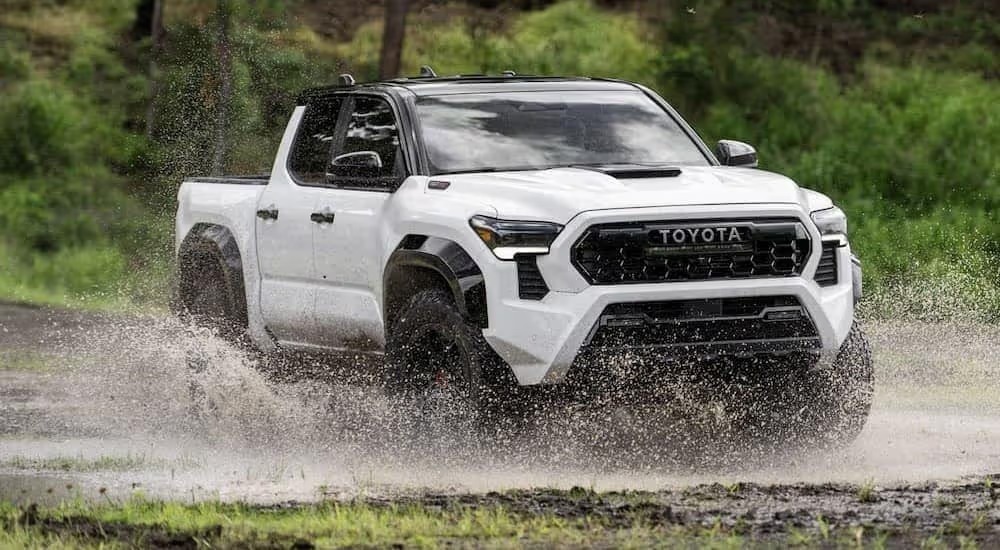
Everyone loves the convenience of remote start. Auto giant Toyota saw this demand and decided it was a perfect opportunity to begin charging its customers for this handy feature. For a whopping $8 per month, customers can access the remote start feature on their vehicle. While the move was poorly received, the company has stood its ground and maintained the subscription model.
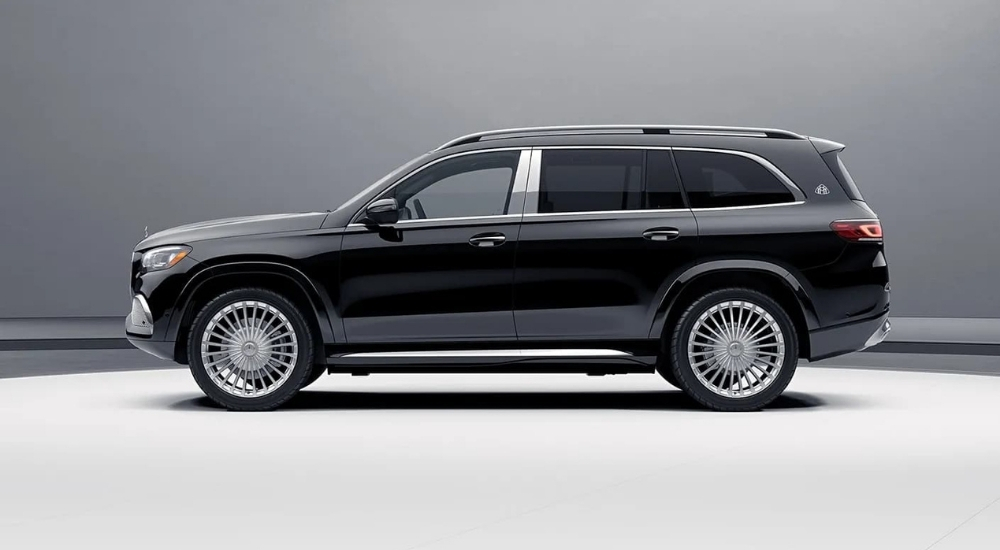
Do you want your car to go faster? Mercedes-Benz decided that capability was worth a $1,200 annual fee for its customers. Although the hardware remains the same, buyers wanting to unlock their vehicle’s full potential must pay for this subscription.

The Psychology of Ownership: Why Are Car Subscriptions So Hated?
Speak to almost anyone in your immediate circle, and they’re sure to say they pay for at least one subscription-based streaming service. Why does $15 per month to watch movies and television shows seem acceptable, but $15 per month for heated seats does not? The answer is value exchange.
For a subscription to feel worth its price, the consumer must believe they are gaining a product or service that is worth what they are paying. We, as consumers, understand that many subscription services incur ongoing costs for the company, so we believe the monthly subscription price is worth it.
This is where automakers lose their customers. The features they are asking customers to pay a premium to enjoy are already installed and available, so customers do not have to spend anything to maintain them. For example, if a seat heater is already installed, it costs BMW nothing for you to turn it on. A monthly service for static hardware that exists, whether or not you use it, is not providing consumers with a service that feels fair. It simply feels like the car companies are charging rent for a physical object you’ve already paid for.
It feels like today, the average consumer is drowning in their monthly fees. Between streaming services, gym memberships, app subscriptions, and cloud storage, the modern economy has nickel-and-dimed more than its fair share, and people are reaching a breaking point. That’s why adding subscriptions to a vehicle, which is typically the second most expensive purchase most people will make in their lifetime, is such a hard sell. People have lost one of the last items that gave them a true sense of ownership, leading to a deep dislike of brands and models that use these in-car subscriptions.
Finding a Middle Ground: Is There a Solution in Sight?
It seems that for consumers and automakers, there may never be a solution that entirely pleases both sides. Consumers are justified in wanting a new vehicle purchase to equate to total ownership. However, now that automakers have gotten a taste of subscription-based income, will they so easily give it up?
The answer is likely no. However, there are ways these companies could regain consumer trust. The first and perhaps most important step automakers can take in this situation is to keep their subscriptions limited to services that require a cloud connection or frequent data updates, like live traffic navigation. Models that require monthly subscriptions should not have a price point similar to other vehicles that include the same features at no extra cost. If manufacturers want to offer locked hardware that consumers must pay to use, it should be reflected in a lower sticker price. If automakers insist on charging for extra features, consumers should have the option to pay a one-time fee rather than a monthly subscription to access them.
The fact is that even if automakers don’t want to make these changes, a time may come when they don’t have a choice. These subscription-based features are not only catching the eye of consumers but also of regulators. In states like New York, lawmakers have introduced bills designed to ban automakers from charging for features that rely on pre-installed hardware. While the worst-case scenario of essential safety features like Blind Spot Monitoring or Emergency Braking is not a premium add-on, a fear remains that this could be where the future is heading. Lawmakers may want to stop the train before it derails.
Where Does the Road Ahead Lead?
It seems the automotive industry is at a crossroads. While automakers have begun dipping their toes into the subscription-based money pool, consumers and even lawmakers have concerns about where this may lead. Will there ever come a point when manufacturers say, “Enough is enough?” Or will they continue attempting to gain more profit wherever they can? Only time will tell.
The bottom line is, consumers simply do not see the transactional value of many premium features that car companies are demanding they pay for. Luxury items like heated seats and remote start are surely worth a small extra fee, but charging a monthly fee to enjoy them when they are already installed in the vehicle feels insulting to someone who likely already took out a significant loan to purchase the car in the first place. Consumers are making their feelings clear. If we must pay a monthly fee to use the hardware we have already purchased, we no longer own our cars. We are simply long-term renters.